Moving a Piano or an Antique Without Damage
Heavy and delicate pieces are won or lost in the preparation, long before anyone lifts.
October 21, 2026 · 4 min read
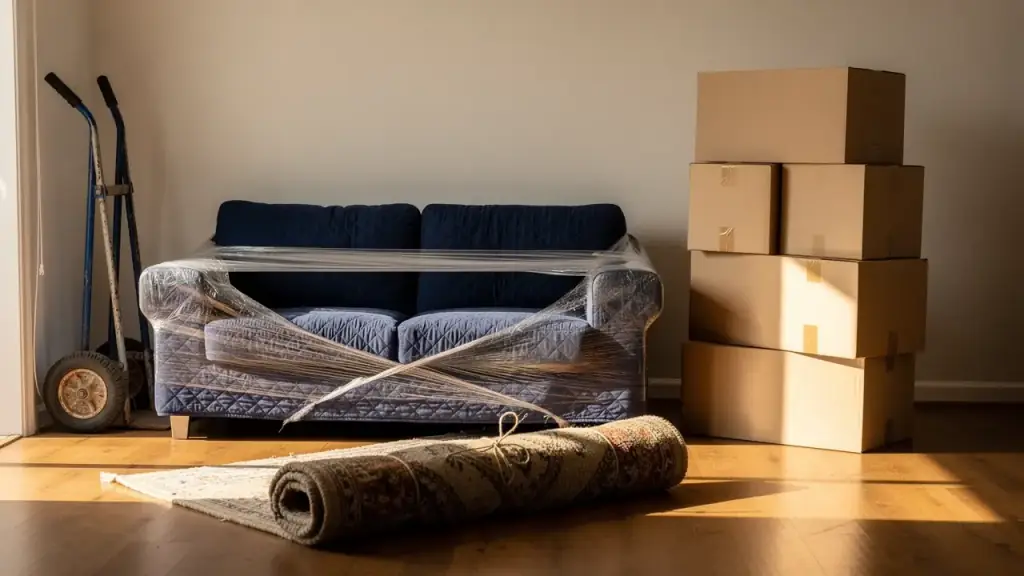
Pianos are heavy, awkward and more delicate inside than they look. Antique furniture is the opposite problem, solid wood and old joinery that's often worth more to the family than any price tag suggests. Both are easy to damage and both can hurt the people carrying them. Most of the trouble starts in the first few minutes, when someone lifts without a plan and then discovers the hallway is two inches too narrow. A little preparation takes care of nearly all of it.
Measure before anyone lifts anything
Start with the piece, then the route. Measure the height, width and depth of the piano or antique and write the numbers down. Then measure every doorway, hallway turn, stair width and ceiling height it has to pass through, at both addresses. Doors can come off their hinges and gain you the thickness of the door and a little more, and railings and light fixtures can sometimes be unscrewed for the day. In a Fremont apartment complex, check the inside dimensions of the elevator and whether the building wants it booked. Upright pianos usually travel upright, so check the clearance on landings, where the turn is tightest.
Empty it and secure the moving parts
Take everything out of drawers, cabinets and china hutches first. Even a light drawer of cutlery shifts the weight and can slide at the worst moment. Remove glass shelves and wrap them separately. Hold drawers shut with a loop of stretch film around the whole piece, not with tape pressed onto an old finish, which can lift the varnish. On a piano, close and lock the keyboard lid so it can't swing. Never carry a piano by its legs or pedals, and don't lift a cabinet by its top rail or its handles. Those parts are often decorative, and they snap.
Blankets, stretch film and padding
Padding goes on in layers. Thick moving blankets come first and cover every corner and edge. Stretch film then holds the blankets in place, wrapped around the outside of the blanket so the film never touches the wood. Plastic pressed straight against old lacquer can trap moisture and leave marks. Corners and carved details deserve a second layer. Mirrors and glass tops should come off and travel boxed flat or wrapped in cardboard edge guards. A grand piano is usually taken partly apart, with the legs and pedal assembly removed, and the body is padded and strapped to a board before it goes anywhere.
Dollies, ramps and stairs
The right equipment does most of the work. A piano dolly with a padded platform, a four-wheel furniture dolly for dressers and cabinets, and a ramp for the truck all make a big difference. Heavy straps hold the piece to the dolly so it can't shift. On stairs, the heavier end stays lower on the way up, the plan for each step is called out loud, and someone is ready to spot from below. If a piece can't be walked down a staircase safely, the answer is a different route, a different method or more people, never a rush.
Why this is a team job
Plenty of people try this with a friend and a pickup. Sometimes it works. When it doesn't, the cost is a cracked piano plate, a gouged hardwood floor, a ruined antique or a hurt back. A piano needs at least two strong people carrying and a third guiding the route and watching the doors. Heavy cabinets and safes are similar. A team that moves these every week knows what the weight does when a stair turns, and where to put hands. If you're doing it yourselves, add hands. If it's a grand piano or a very old piece, think hard about getting help.
After the move, give a piano a few weeks to settle in its new room before you have it tuned. Changes in heat and humidity move the strings and the wood, and the tuning will shift anyway. Keep it away from vents, direct sun and exterior walls.
Other heavy items deserve the same plan
Large appliances, marble tops, heavy safes and solid wood bookcases all follow the same rules: measure the route, empty the piece, pad the surfaces and use equipment instead of arms. If you're not sure how a piece comes apart, photograph it first and bag the hardware, taping the bag to the item itself so the screws never wander off.
Bharat Mover lists piano removal, antique items and heavy items among the things they move. If you've got one of those on your list, call 408 502 2677, ask for a free estimate, and have your measurements ready when you do.
Bharat Mover, 408 502 2677
Call 408 502 2677More articles
How to Pack a Kitchen So Nothing Breaks
The kitchen is the room where the most things break, and a simple order of work keeps almost all of it in one piece.
A Week-by-Week Moving Checklist for Fremont and the East Bay
Six weeks, one folder and a first-night box turn a chaotic move into a list you can finish.