A Week-by-Week Moving Checklist for Fremont and the East Bay
Six weeks, one folder and a first-night box turn a chaotic move into a list you can finish.
October 21, 2026 · 4 min read
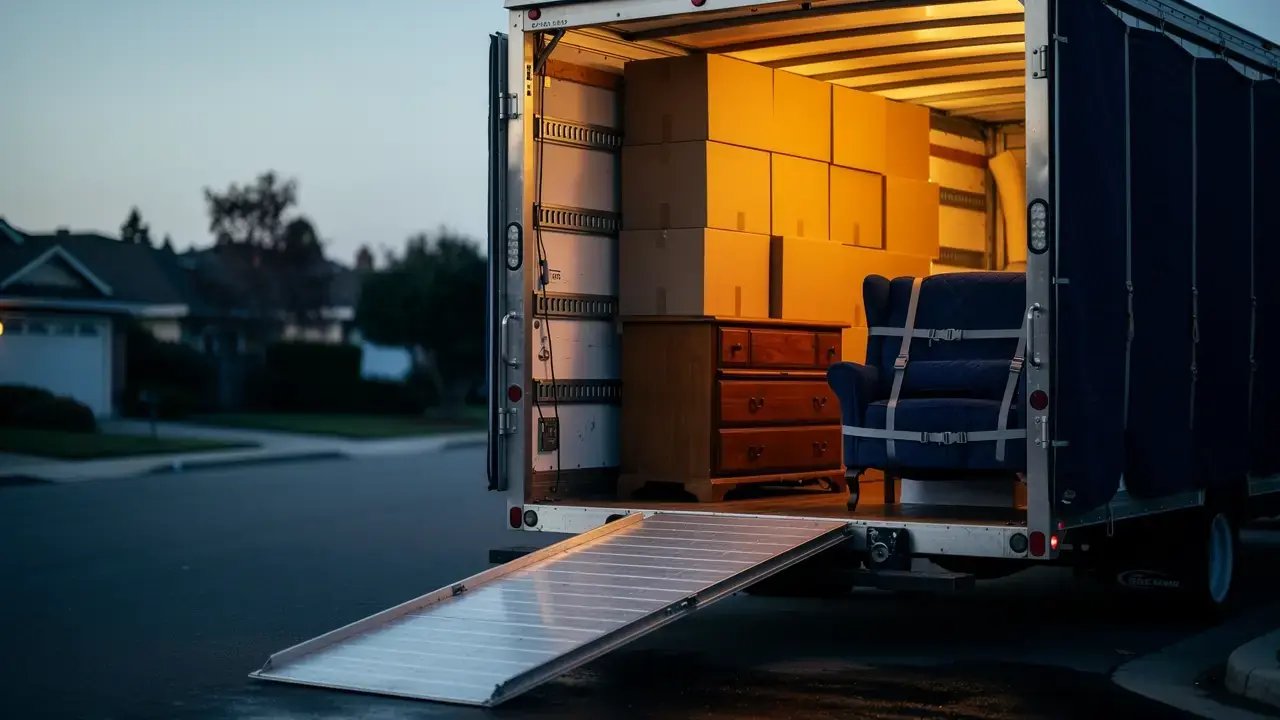
A good move is mostly decided weeks before the truck arrives. Around Fremont and the East Bay, a few local things add pressure: tight street parking, apartment complexes with elevator bookings and a lot of traffic on I-880 and I-680 at the wrong hour. This checklist starts six weeks out and works down to the first night in the new place.
Six weeks out
Set the date, and keep a backup date in your head. Confirm your move-out and move-in days with your landlord or the seller, and then book your mover. Popular dates fill early, especially at the end of the month and on weekends. Start a moving folder, paper or digital, with every quote, confirmation and key date in it. Walk through the home with a notepad and decide what's going, what's staying and what's being donated or sold. Every box you don't pack is a box you don't have to carry.
Get a few quotes and compare them like for like. Ask each mover what's included, and how packing, stairs and long carries are handled, so the numbers mean the same thing. Take photos of valuable furniture as it stands today, which helps if you ever need to describe the condition of a piece.
Four weeks out
Ask each utility and service provider (electric, gas, water, internet, trash) what they need from you to stop service at the old address and start it at the new one. Internet installs sometimes take days to schedule, so call early. Update your address with your bank, your insurer, your employer and the post office. If you have kids, ask the school about records. Order boxes, tape and packing paper now. Start packing the rooms you use least, such as the guest room, the garage shelves and the back of the closet.
Start a running list of things to cancel or move: gym memberships, subscriptions, regular deliveries, the dry cleaner's ticket. They're the loose ends that turn up a month later.
Parking, elevators and access at both ends
This is the step that surprises people. Look at both addresses from the truck's point of view. Where can a large truck stop? How far is that from the door? A long carry from a distant curb takes longer and slows everything down. If your street is narrow or busy, talk to your neighbors or your building about holding space for the morning. For apartments and condos, ask the manager whether the elevator or loading dock needs to be booked, whether there are set move-in hours, and whether they want any paperwork. Then tell your mover about stairs, long hallways, gates and anything else that lengthens the carry.
Two weeks out
Pack the dining room, books, wall art and off-season clothes. Take photos of how your electronics are wired, so setup at the new place is quick. Use up the freezer and stop buying groceries you can't finish. Confirm times with your mover and the building. Arrange childcare or pet care for moving day if you can. Pack a small suitcase for each person as if you were going away for a weekend, and keep it with you.
The final week
Pack everything except the daily essentials. Defrost the fridge if it's going, and let the washing machine drain. Disconnect appliances and photograph the hookups. Set aside valuables, documents, medicine, chargers and keys, and carry them yourself instead of loading them on the truck. Label every box on the side with the room and a short description. Put a sign on any door that shouldn't be opened. Do a final clean of the old place as rooms empty out, because it's far easier with the furniture gone.
Confirm the final time with the crew and the building, and write down the phone number of the driver or dispatcher. Charge your phone, fill the gas tank, and keep a little cash and some snacks in your bag for the day.
Moving day and the first night
Be up early and have coffee and a clear path to the door. Walk the crew through the home and point out the fragile items, the heavy pieces and anything that isn't going. At the new address, tell the crew where each room is and put the first-night box where you can find it. That box should hold bedding, towels, toiletries, a kettle or coffee maker, a few plates and cups, basic tools, a phone charger and a roll of toilet paper.
Before the truck leaves, check closets, cabinets, the garage and the attic one last time. Then check again. Most forgotten items are in the places nobody thought to open.
If you'd like a second opinion on your timeline, call Bharat Mover at 408 502 2677. They'll give you a free estimate, and the phone lines are open from 8 a.m. to 9 p.m., so you can ask in the evening after work.
Bharat Mover, 408 502 2677
Call 408 502 2677More articles
How to Pack a Kitchen So Nothing Breaks
The kitchen is the room where the most things break, and a simple order of work keeps almost all of it in one piece.
Moving a Piano or an Antique Without Damage
Heavy and delicate pieces are won or lost in the preparation, long before anyone lifts.